In the rapidly evolving packaging industry, plastic bags have become an indispensable packaging solution across food, daily chemical, and agricultural sectors, thanks to their lightweight, practicality, and cost-effectiveness. The color presentation and quality stability of plastic bags are fundamentally determined by the selection of specialized color masterbatch. A well-matched color masterbatch not only endows plastic bags with bright and uniform colors but also ensures their performance stability during storage, transportation, and usage. Conversely, inferior or mismatched color masterbatch can cause plastic bags to fade, experience pigment migration, or emit unpleasant odors—directly undermining the market competitiveness of the end products.
1.Core Differences Between Plastic Bag-Specific Color Masterbatch and General-Purpose Alternatives
The core difference between plastic bag-specific color masterbatch and general-purpose alternatives lies in its formula, which is tailored to the characteristics of film-grade plastic substrates. Whether for HDPE, LDPE, or LLDPE materials, the carrier resin of plastic bag-specific color masterbatch must be highly compatible with the base plastic. This ensures rapid dispersion during the film-blowing process, preventing defects such as specks, streaks, and uneven thickness. Manufacturers of color masterbatch need to precisely control the melt flow index (MFI) of the carrier resin to perfectly match the processing parameters of the substrate, ensuring smooth and efficient film blowing while reducing energy consumption and waste rates.
2.Compliance Requirements for Color Masterbatch in Food-Contact Plastic Bags
Color masterbatch for food-contact plastic bags imposes even stricter requirements. Such color masterbatch must comply with food safety standards including FDA and GB 4806, ensuring zero odor, no heavy metal migration, and no release of harmful substances. For example, color masterbatch used in plastic bags for fresh produce and cooked food must adopt food-grade pigments and additives, avoiding any component exceeding safety limits that could compromise food safety. In contrast, color masterbatch for agricultural and chemical plastic bags requires excellent weather resistance and anti-aging properties to withstand harsh outdoor conditions such as prolonged sunlight exposure and rain erosion, preventing premature embrittlement and fading of plastic bags to safeguard the stored contents.
3.Coloring Strength and Color Consistency: Key Indicators for Brand Identification
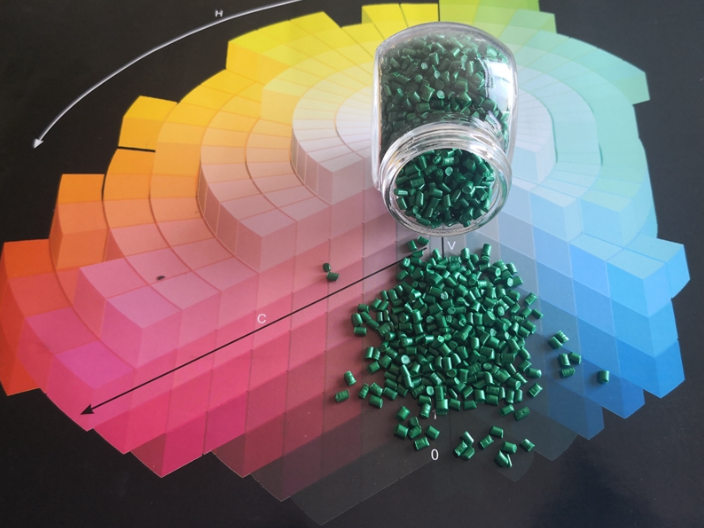
Coloring strength and color consistency represent another pair of core indicators for plastic bag-specific color masterbatch. For brand owners, the color of plastic bags is a key element of brand identity. This requires color masterbatch to deliver high coloring strength, achieving the desired hue even at low addition ratios, while ensuring consistent color across different production batches. Color masterbatch produced by direct manufacturers typically undergoes rigorous batch quality testing and color calibration, meeting the color consistency demands of large-scale orders and avoiding losses caused by color deviation-related returns and rework.
4.Environmental Trends of Plastic Bag-Specific Color Masterbatch
Furthermore, environmental friendliness has emerged as a critical development trend for plastic bag-specific color masterbatch. With the implementation of plastic ban policies, color masterbatch tailored for biodegradable plastic bags is rapidly gaining market traction. This type of color masterbatch utilizes bio-based carriers and eco-friendly pigments, ensuring no harmful substance release during degradation while maintaining excellent coloring effects and processability—supporting packaging enterprises in their green transition journey.
5.Conclusion: Key Selection Tips for Plastic Bag-Specific Color Masterbatch
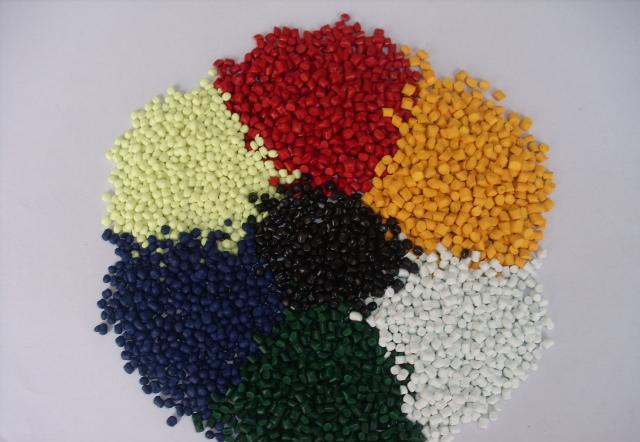
Selecting the right plastic bag-specific color masterbatch is the key to improving product quality, reducing production costs, and enhancing market competitiveness. When sourcing color masterbatch, buyers should prioritize substrate compatibility, compliance, coloring strength, and environmental performance, and cooperate with reputable direct manufacturers equipped with strong R&D capabilities and large-scale production facilities. Only in this way can enterprises truly achieve the goal of high-quality color masterbatch creates high-quality packaging.
Post time: Jan-06-2026
