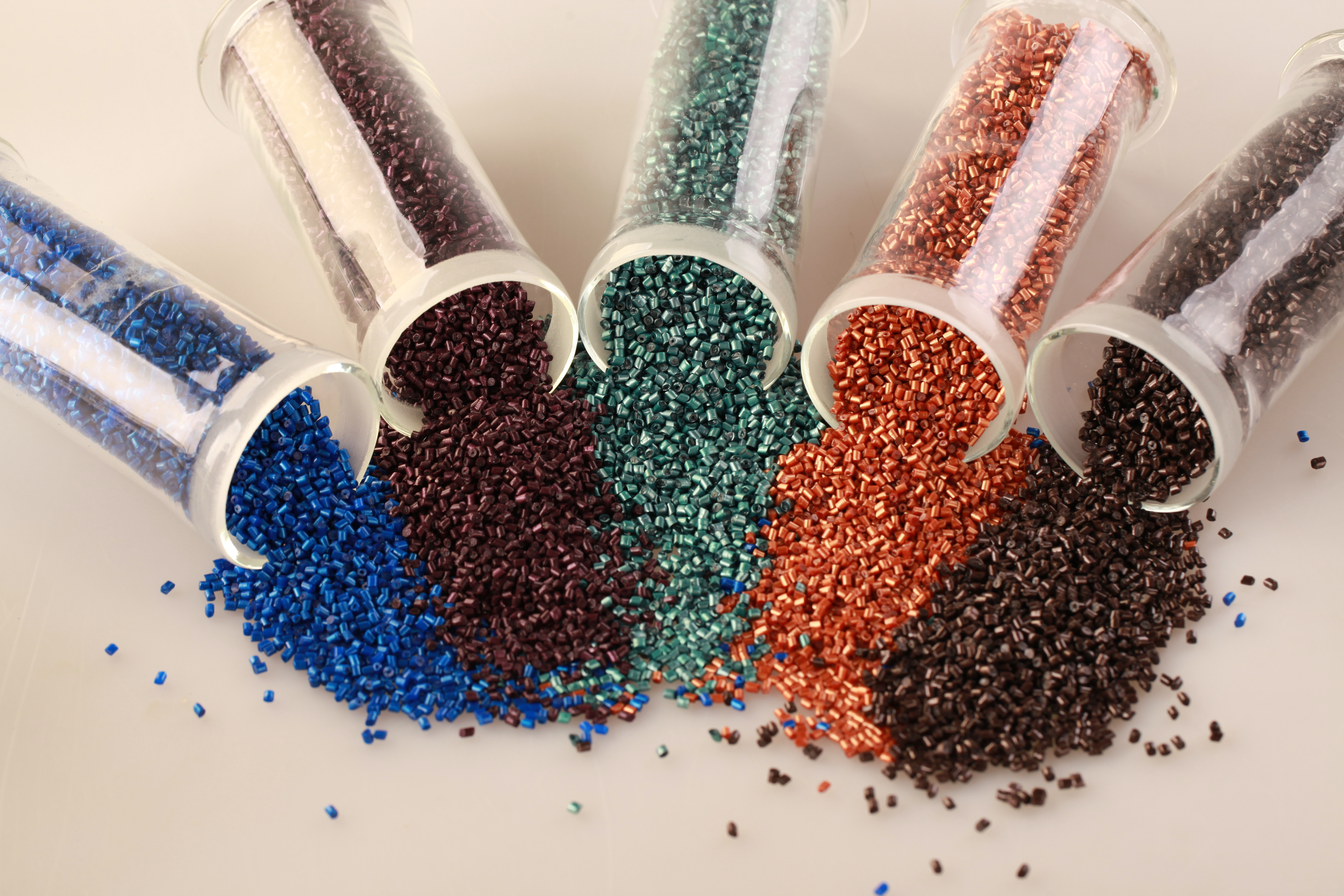
When sourcing masterbatch for plastic production, choosing between a manufacturer and a trader is a critical decision that impacts cost, quality, supply stability, and long-term business growth. Both options have unique advantages and limitations, and the right choice depends on your business size, production needs, customization requirements, and budget. This guide breaks down the core differences, pros, and cons of each, helping you make an informed decision tailored to your operations.
Masterbatch Manufacturers: Direct Control and Customization
Masterbatch manufacturers are the source of production, controlling the entire process from raw material selection to formula development, production, and quality inspection. Their biggest advantage is direct quality control—they can ensure consistent batch quality by overseeing every link, avoiding the inconsistencies common with third-party suppliers. For businesses with large orders or custom needs (e.g., special color matching, functional masterbatch for food-grade or medical applications), manufacturers are ideal, as they have professional R&D teams to adjust formulas and meet specific requirements.
Additionally, manufacturers offer more competitive pricing by eliminating middlemen, which is especially beneficial for long-term, large-volume cooperation. They also provide timely technical support, helping resolve issues like poor dispersion or compatibility during production. However, manufacturers often have higher minimum order quantities (MOQs), making them less suitable for small-batch purchases. They may also lack flexibility in handling diverse product types compared to traders.
Masterbatch Traders: Convenience and Flexibility
Traders act as intermediaries between manufacturers and end-users, sourcing masterbatch from multiple factories to offer a wide range of products. Their core advantage is convenience—they can provide small MOQs, allowing small and medium-sized businesses to purchase without meeting large order requirements. Traders also offer one-stop sourcing, saving you time on communicating with multiple manufacturers, and excel at handling logistics, customs clearance, and cross-border trade issues.
However, traders cannot control production quality directly, as they rely on upstream manufacturers. This may lead to inconsistent batch quality or delays in resolving quality problems. They also add a profit margin, resulting in higher prices compared to direct manufacturer purchases. For businesses with complex customization needs, traders may struggle to provide tailored solutions, as they lack R&D capabilities.
Key Factors to Choose the Right Partner
To decide between a manufacturer and a trader, focus on these four factors:
1. Order Size: Large-volume, long-term orders benefit from manufacturers’ competitive pricing and stable supply. Small-batch, occasional purchases are better suited for traders.
2. Customization Needs: If you need custom formulas, special certifications (FDA, RoHS), or technical support, choose a manufacturer with R&D and production capabilities.
3. Quality Requirements: For strict quality control and batch consistency (critical for food packaging or medical products), manufacturers are the better choice, as they control the entire production chain.
4. Logistics and Trade Needs: For cross-border purchases or one-stop sourcing, traders can simplify processes and reduce trade risks.
Conclusion
There is no one-size-fits-all answer—your choice depends on your unique business needs. Manufacturers are ideal for large orders, custom requirements, and strict quality control, offering cost savings and technical support. Traders excel in flexibility, small MOQs, and convenient sourcing, suitable for small businesses or those with diverse, low-volume needs. By evaluating your order size, customization demands, and quality standards, you can select the partner that aligns with your goals, ensuring smooth production and long-term business success.
FAQ for Masterbatch Manufacturer vs Trader
Q1: Is it cheaper to buy masterbatch from a manufacturer or a trader?
A1: Manufacturers are cheaper because they eliminate middlemen; traders add a profit margin, leading to higher prices.
Q2: Can traders provide custom masterbatch solutions?
A2: Most traders cannot offer custom solutions, as they lack R&D and production capabilities—choose manufacturers for customization.
Q3: Which is better for small-batch masterbatch purchases?
A3: Traders are better, as they offer lower minimum order quantities (MOQs) than manufacturers.
Q4: How to ensure masterbatch quality when working with a trader?
A4: Ask for third-party test reports and sample verification, and choose traders with reliable upstream manufacturer partnerships.
Q5: Are manufacturers suitable for cross-border masterbatch purchases?
A5: Traders are more convenient for cross-border purchases, as they handle logistics and customs clearance; manufacturers may lack related experience.
Post time: May-12-2026
