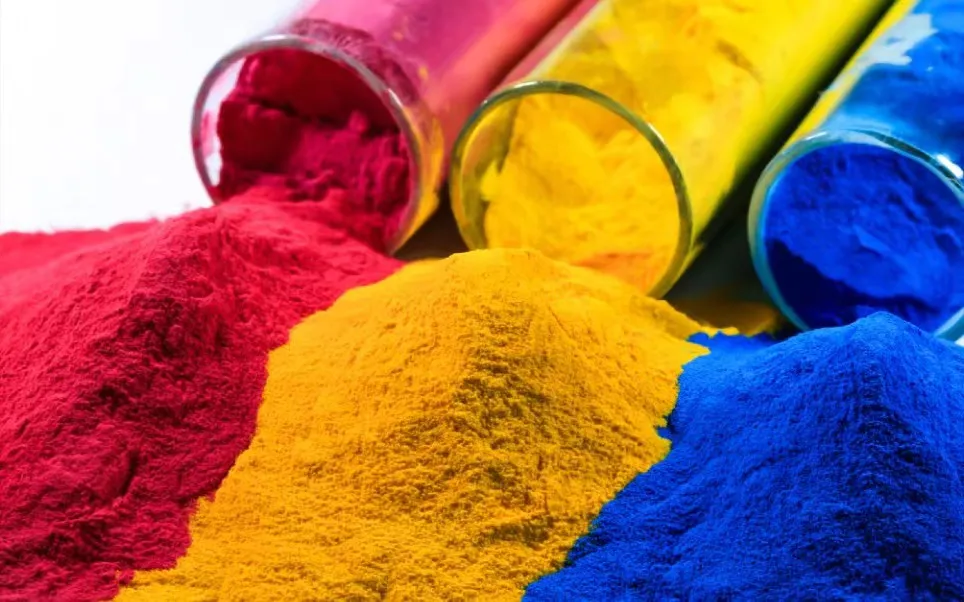
Color masterbatch is a widely used coloring agent in plastic, packaging, and manufacturing industries, composed of high-concentration pigments, carrier resins, and dispersants. A common question among manufacturers, workers, and end-users is: Is color masterbatch harmful? The short answer is: high-quality, compliant color masterbatch is safe, but low-quality or improperly used products may pose potential risks. This guide explains the safety of color masterbatch, key risk factors, and how to choose safe products.
1.What Determines Whether Color Masterbatch Is Harmful?
The harmfulness of color masterbatch depends primarily on three core factors: raw material quality, production process, and application scenario. High-quality color masterbatch uses non-toxic pigments, food-grade carrier resins (such as PE, PP), and environmentally friendly dispersants, complying with international standards like FDA, RoHS, and REACH, which are completely safe for industrial production and end products.
In contrast, low-quality color masterbatch cut corners by using cheap, toxic raw materials—such as inorganic pigments containing heavy metals (lead, cadmium, chromium) or organic pigments that release carcinogenic aromatic amines at high temperatures. These harmful substances can migrate into end products, posing risks to human health and the environment. Additionally, substandard production processes may lead to incomplete dispersion of pigments, increasing the risk of harmful substance migration.
2.Potential Risks of Harmful Color Masterbatch
Harmful color masterbatch mainly poses risks in two aspects: human health and environmental impact. For workers, long-term inhalation of pigment dust during production can cause respiratory irritation, and prolonged contact with heavy metal-containing pigments may damage the nervous system and liver肾功能. For end-users, if harmful color masterbatch is used in food packaging, medical devices, or children’s toys, heavy metals and toxic additives may migrate into food or be ingested by children, threatening health.
Environmentally, waste water and residue from the production of harmful color masterbatch may pollute soil and water sources, while plastic products containing toxic color masterbatch can release harmful substances when degraded, damaging the ecological chain. Some low-quality color masterbatch may also be classified as hazardous goods during transportation due to flammable or toxic components.
3.How to Choose Safe, Non-Harmful Color Masterbatch
To avoid the risks of harmful color masterbatch, manufacturers should follow these key principles when purchasing and using:
1. Prioritize products with authoritative certifications: Choose color masterbatch that has passed FDA (for food contact), RoHS (restricting harmful substances), and REACH (chemical compliance) certifications, and ask suppliers for SDS (Safety Data Sheet) and third-party test reports.
2. Check raw material composition: Confirm that the pigments, carrier resins, and dispersants used are non-toxic and compliant. Avoid products with unknown raw material sources or excessive heavy metal content (heavy metal content should be lower than 1ppm for food-grade products).
3. Pay attention to application scenarios: For food packaging, medical devices, and children’s products, use food-grade color masterbatch with zero harmful substance migration, complying with standards like GB 4806.7-2023 (China) and EU 10/2011 (EU).
4. Standardize operation during use: In production, use closed equipment to avoid pigment dust inhalation, and wear protective gear (such as N95 masks) to protect workers’ health.
Conclusion
Color masterbatch itself is not inherently harmful—its safety depends on raw material quality and compliance. High-quality, certified color masterbatch is non-toxic, environmentally friendly, and widely used in various industries, from daily plastic products to high-end food packaging and medical devices. By choosing compliant products, checking certifications, and standardizing operations, manufacturers can completely avoid the risks of harmful color masterbatch, ensuring product safety and protecting workers’ health and the environment.
FAQ for Color Masterbatch Safety
Q1: Is color masterbatch harmful to human health?
A1: High-quality, certified color masterbatch is non-toxic and safe. Only low-quality products with toxic raw materials (heavy metals, carcinogens) may pose health risks.
Q2: Can color masterbatch be used for food packaging?
A2: Yes, but you must choose food-grade color masterbatch that meets FDA, EU 10/2011 and GB 4806.7-2023 standards, with zero harmful substance migration.
Q3: What certifications should safe color masterbatch have?
A3: Key certifications include FDA (for food contact), RoHS, REACH, and SGS test reports to ensure compliance and non-toxicity.
Q4: Are there environmental risks of color masterbatch?
A4: High-quality color masterbatch is environmentally friendly; low-quality ones may pollute soil and water through waste water and residue, and release harmful substances when degraded.
Q5: How to protect workers from color masterbatch risks?
A5: Use closed production equipment, wear protective gear (N95 masks), and avoid long-term inhalation of pigment dust.
Post time: Apr-28-2026
