As an indispensable color-matching material in injection molding processing, color masterbatch (also known as masterbatch) is widely used in various process fields such as injection molding, granulation, compression molding, film blowing, wire and cable, and pipe production of thermoplastic resins. Selecting high-quality color masterbatch ensures a smooth production process without operational worries, as the quality of color masterbatch directly affects the color-matching effect of end products. Therefore, evaluating the pros and cons of color masterbatch is a crucial step for B2B procurement. Below are the core indicators for measuring color masterbatch quality, tailored to industrial application needs:
1.Key Quality Indicators of Color Masterbatch
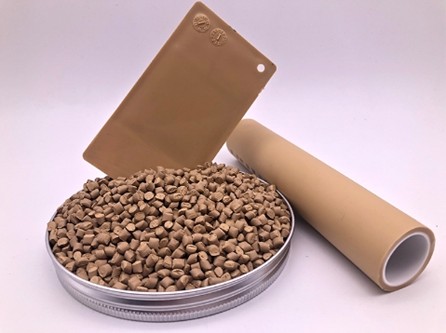
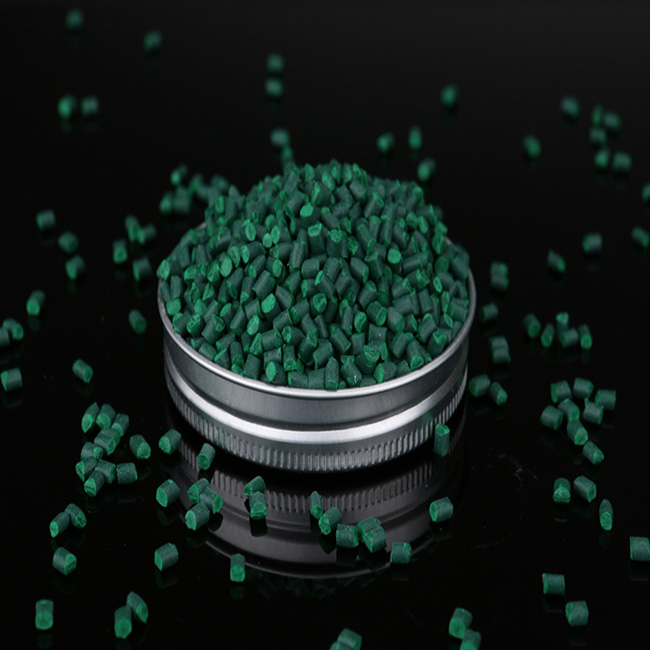
The appearance of color masterbatch is a foundational quality indicator. High-quality color masterbatch typically presents uniform granularity, bright color, and zero impurities—traits that directly correlate with consistent performance in production. In contrast, low-quality color masterbatch often suffers from uneven color, inconsistent particle size, or foreign contaminants, all of which undermine application effects. Thus, appearance inspection is non-negotiable when evaluating color masterbatch quality.
(1)Color Consistency: The color of color masterbatch must be uniform, free of chromatic aberration or spots, to ensure visual uniformity in finished products.
(2)Particle Morphology: Color masterbatch particles should be regular in shape, without defects like uneven size or agglomeration that could hinder processing.
(3)Surface Texture: A smooth, flat surface (devoid of unevenness, burrs, or roughness) is essential for color masterbatch to mix seamlessly with base resins.
(4)Color Clarity: Distinct color boundaries in color masterbatch prevent blurring or fading in the final product.
(5)Impurity Control: High-grade color masterbatch contains no visible impurities, adhering to strict industrial quality standards for contamination.
(6)Packaging Integrity: Intact, leak-proof packaging (compliant with industry specifications) preserves color masterbatch quality during storage and transportation.
2.Pigment Concentration
Pigment concentration is a decisive indicator of color masterbatch quality, directly influencing its coloring power, color saturation, and the final product’s aesthetic effect. An optimal pigment concentration ensures color masterbatch delivers consistent, vivid coloring that meets customer requirements—making it a top consideration for B2B buyers.
(1)Visual Color Matching Method: A simple, intuitive way to compare color masterbatch depth by referencing standard color cards. While accessible, results may vary due to individual visual differences.
(2)Colorimeter Measurement Method: Professional colorimeters quantify color masterbatch concentration by analyzing light wavelength, intensity, and reflectivity, providing objective, precise data.
(3)Spectral Analysis Method: This technique measures light absorption, reflection, or transmission to generate spectral data, converting color masterbatch concentration into quantifiable values for accurate evaluation.
(4)Color Difference Measurement Method: By calculating the color deviation between samples and standards, this method indirectly infers color masterbatch concentration, offering numerical results for easy comparison.
3.Hue Data Analysis
Hue is a core parameter in color evaluation, defining the “identity” of a color (e.g., red, blue). Measuring and analyzing hue data helps characterize color masterbatch performance, enabling rigorous quality control in mass production.
(1)Lab Values: Based on human visual perception, the Lab color space describes color masterbatch using L (lightness), a (red-green component), and b (yellow-blue component) values. These metrics quantify color deviation and consistency, guiding production adjustments.
(2)CIE Chromaticity Coordinates: The CIE chromaticity diagram (developed by the International Commission on Illumination) maps all visible colors. Color masterbatch hue is pinpointed via xy or uv coordinates, critical for precise color matching in industrial applications.
(3)Coloring Power: A key performance metric, coloring power reflects color masterbatch’s ability to impart consistent color to base materials, ensuring stability across production batches.
(4)Blackness/Whiteness/Yellowness: For specialized applications, color masterbatch must meet specific standards for blackness (for dark products), whiteness (for light-colored goods), or yellowness (to avoid discoloration), tailored to end-use requirements.
4. Melt Index & Dispersibility
Melt index and dispersibility directly impact color masterbatch’s processability—critical for seamless integration into thermoplastic resin processing. These indicators determine how well color masterbatch flows, melts, and distributes in base materials, ultimately affecting product quality.
(1)Melt Flow Rate (MFR): Measured in g/10min, MFR quantifies the weight of molten color masterbatch flowing through a standard die under specific temperature/pressure. Higher values indicate better fluidity and processability.
(2)Melt Volume Rate (MVR): Expressed in cm³/10min, MVR measures molten color masterbatch volume flow rate. Like MFR, higher values signal superior processing performance.
(3)Dispersibility: The uniform distribution of pigments/dyes in color masterbatch’s polymer matrix. Excellent dispersibility ensures consistent coloring and avoids streaks or spots in finished products.
(4)Particle Size Distribution: Narrow particle size distribution (with small, uniform particles) enhances color masterbatch dispersibility and mixing efficiency.
(5)Dispersion Degree: Measures how evenly color masterbatch integrates into base materials, reducing agglomeration and ensuring uniform color penetration.
(6)Dispersion Time: The time required for color masterbatch to disperse uniformly in base materials. Shorter dispersion times improve production efficiency without compromising quality.
(7) Dispersion Effect: The ultimate measure of color masterbatch performance—ensuring color uniformly permeates the entire base material, eliminating unevenness or defects.
By prioritizing these indicators, B2B merchants can select color masterbatch that aligns with production requirements, enhances product quality, and reduces operational risks. Whether for pipe manufacturing, packaging, or automotive parts, high-quality color masterbatch is the cornerstone of consistent, compliant industrial production.
Post time: Dec-08-2025
